In a stunning escalation of long-simmering tensions, United States forces conducted a series of targeted strikes on Venezuelan soil early this morning, resulting in the capture and extraction of President Nicolás Maduro and his wife, Cilia Flores. The operation, announced by President Donald Trump, marks a dramatic shift in U.S. policy toward the South American nation, drawing immediate global condemnation and sparking debates over sovereignty and international law.
The Dawn Raid: Details of the Operation
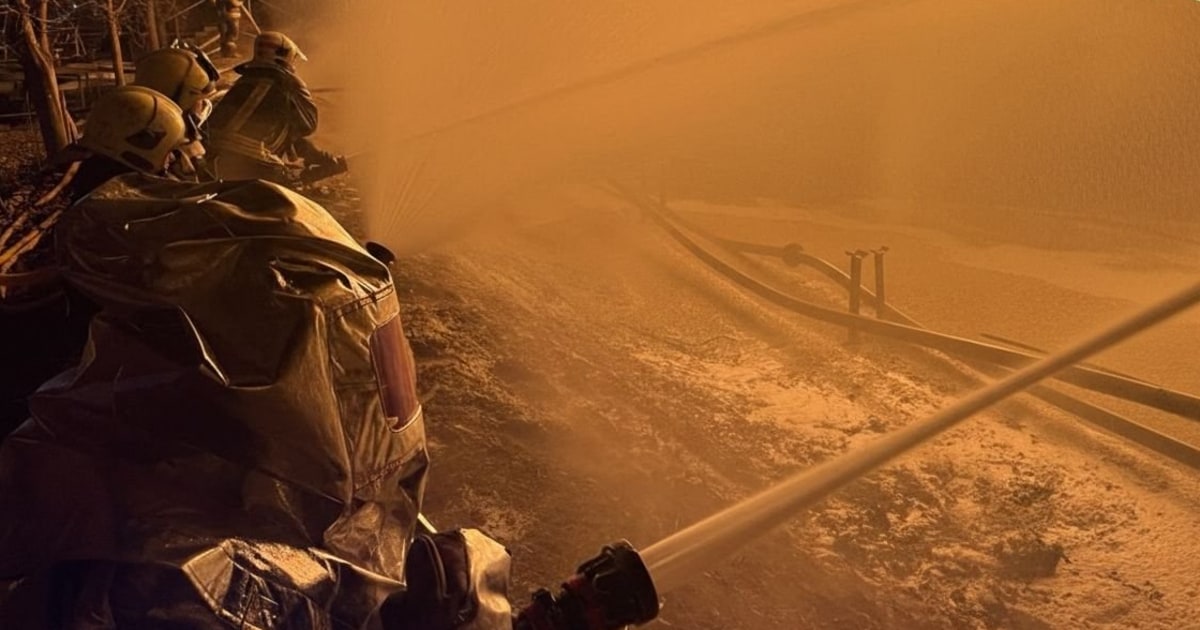
Early reports from Caracas describe a night disrupted by explosions and military activity as U.S. special forces descended on key locations in the Venezuelan capital. Witnesses recounted hearing loud blasts around strategic sites, including government buildings and military installations, just before dawn.
Trump’s Announcement and Immediate Aftermath
President Trump took to social media to declare the mission a success, stating that Maduro and Flores had been “captured and flown out of the country” following a “large-scale strike.” In a subsequent interview, he elaborated that the pair would be transported to New York to face federal charges. U.S. Attorney General Pam Bondi confirmed indictments in the Southern District of New York, focusing on allegations of narco-terrorism and weapons trafficking. Trump praised the operation as a decisive blow against what he called a “corrupt regime,” emphasizing that no further immediate actions were anticipated, according to Secretary of State Marco Rubio.
Venezuelan authorities quickly declared a national emergency, denouncing the strikes as “extremely serious military aggression.” Streets in Caracas remained tense, with reports of sporadic protests and celebrations among opposition supporters who have long opposed Maduro’s rule.
Background: Years of Building Pressure
The events of today did not emerge in isolation but stem from a protracted crisis in Venezuela, characterized by economic collapse, political instability, and international isolation.
Economic Struggles and Sanctions
Venezuela, once a prosperous oil-rich nation, has grappled with hyperinflation, shortages, and a shrinking economy for over a decade. Harsh U.S. sanctions, imposed to pressure the government over human rights concerns and disputed elections, have exacerbated these issues. Recent months saw intensified measures, including the seizure of Venezuelan oil tankers and restrictions on foreign investments, pushing the country toward desperation. Prices for basic goods soared, and ordinary citizens reported living day by day amid uncertainty.
Political Tensions and International Alliances
Maduro’s government has faced accusations of authoritarianism, including crackdowns on dissent and alliances with nations like Russia, China, and Iran. These partnerships provided some economic lifelines but drew sharp criticism from the U.S., which viewed them as threats to regional stability. Opposition figures, such as María Corina Machado, have portrayed the regime as a hub for international crime, further fueling calls for intervention. Trump’s administration had ramped up naval presence off Venezuela’s coast in recent weeks, signaling a potential confrontation.
Global Reactions: Outrage and Support
The international community reacted swiftly to the U.S. actions, revealing deep divisions over the legitimacy of such interventions.
Condemnations from Allies and Neutrals
The United Nations Secretary-General expressed deep alarm, calling the strikes a “dangerous precedent” and urging respect for international law. Countries like Turkey emphasized Venezuela’s stability and called for dialogue, while European nations, including Germany and France, voiced concerns over violations of sovereignty. In Latin America, responses varied: some leaders decried the aggression, while others quietly welcomed the removal of Maduro.
Mixed Sentiments in Venezuela and Abroad
Inside Venezuela, reactions were polarized. Many citizens, weary from years of hardship, expressed relief at the prospect of change, with some taking to the streets in jubilation. Exiled Venezuelans abroad celebrated online, viewing the capture as a step toward democracy. However, supporters of Maduro’s socialist policies mourned what they saw as an imperial overreach, fearing further instability.
What Comes Next: Implications for Venezuela and Beyond
With Maduro out of power, Venezuela faces an uncertain future. Interim leadership arrangements remain unclear, but the opposition may push for new elections under international oversight.
Potential for Reconstruction
The removal of Maduro could open doors for economic recovery, including renewed oil production and foreign investment. However, rebuilding trust in institutions and addressing deep-seated divisions will be challenging. Human rights groups warn of possible reprisals from loyalist factions within the military.
Broader Geopolitical Ramifications
This operation could reshape U.S. foreign policy in the Americas, signaling a more aggressive stance against perceived adversaries. It raises questions about the limits of interventionism and may strain relations with global powers that had backed Maduro. As the dust settles, the world watches to see if this bold move leads to lasting peace or further conflict in the region.